For decades, mercury was added to button cells to control internal corrosion. It works — but it also means every discarded button cell is a small hazardous-waste item. Major markets have legislated against it: mercury is restricted under RoHS, and specific bans apply to button batteries in the EU and the United States.
What “0% Hg” actually covers
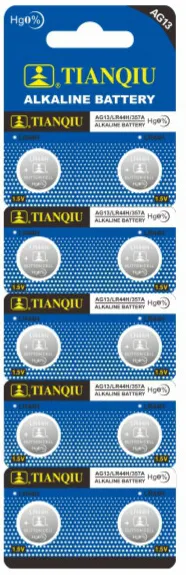
At TIANQIU, mercury-free is not a marketing line for one SKU. The whole alkaline button cell range — AG0 to AG13, plus 23A/27A 12V specialty cells — is produced without mercury, and the claim is verified: an independent MTL-ACTS mercury-free testimonial backs the production.
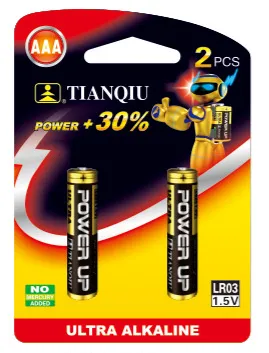
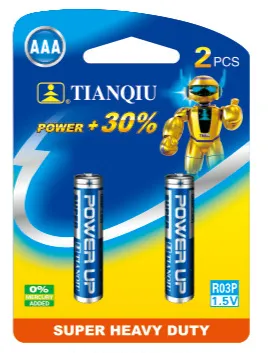
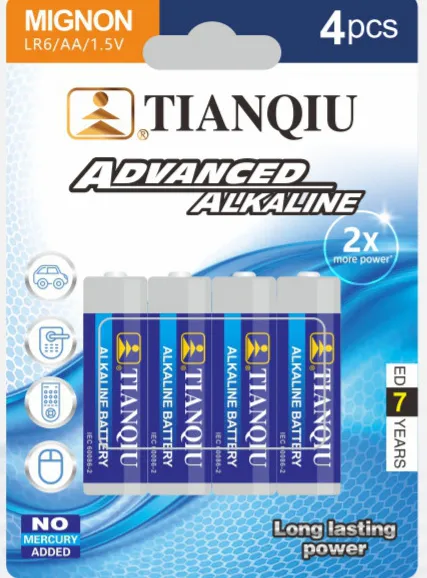
The same logic extends to the cylindrical line: ultra alkaline cells are produced on laser-seal structure with no mercury added, carrying the “NO MERCURY ADDED” mark on retail packaging.
Why it matters for your compliance file
- Market access — importers in the EU and US routinely ask for mercury declarations as part of restricted-substance screening.
- Retailer audits — supermarket chains and appliance brands check Hg0 evidence when qualifying a new battery supplier.
- Waste and take-back — mercury-free product simplifies recycling programs and reduces the hazardous-waste burden on your own operations.
What to ask a factory
- Is the whole line mercury-free, or only the sample model?
- Is the claim backed by an independent test report (not a self-declaration)?
- Do CE, RoHS and transport documents match the model and packing you order?
TIANQIU ships alkaline button cells at 0% mercury across the range, supported by CE, RoHS and the MTL-ACTS mercury-free testimonial for your qualification dossier.
Questions behind the article?
The trade team answers technical and commercial questions — send us your market and product interest.
Ask a question