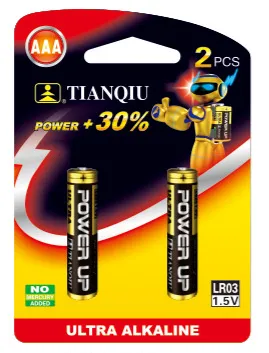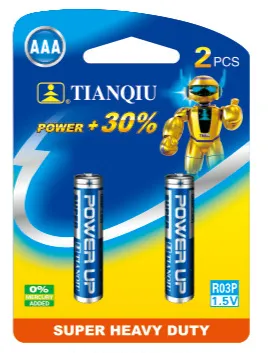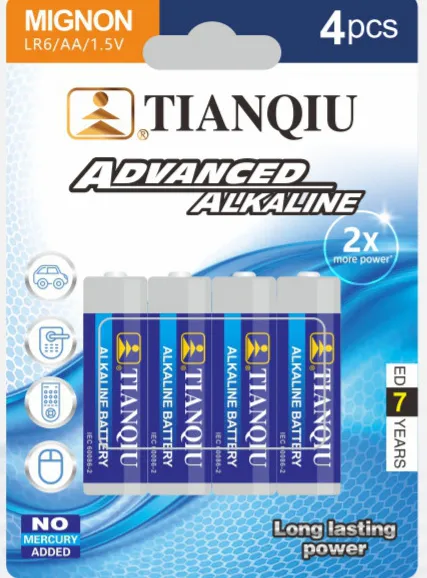
Europe’s battery rules have changed definitively. Regulation (EU) 2023/1542 entered into force on 17 August 2023 and has been applicable since 18 February 2024, replacing the Batteries Directive 2006/66/EC. Importers, private-label brands and retail chains selling to the EU now work under the regulation — here is what matters for batteries like ours.
The shape of the regulation
Unlike a directive, a regulation applies directly in every member state without national transposition. That makes the rules uniform across the EU, and it also shifts responsibilities: the regulation runs from substance limits and labelling all the way to take-back, recycling targets and, for larger battery categories, carbon footprint and battery passports. For button and cylindrical consumer batteries, the practical obligations sit mainly in substances, labelling and documentation.
Substance limits: mercury and cadmium
The regulation keeps the strict limits we already produce against: mercury concentration no greater than 0.0005% by weight and cadmium no greater than 0.002% in portable batteries. In practice this means the same output we already supply — alkaline button cells in the AG0–AG13 range at provably reduced mercury content, backed by the MTL-ACTS mercury-free testimonial and RoHS documents.
Labelling and information
From the phase-in period of the regulation, batteries placed on the EU market must carry the required information on the pack — identity and capacity, chemistry, and the separate-collection symbol. We prepare retail packs accordingly: CE and 0% Hg marks where applicable, capacity data and multi-language warnings, and the child-resistant design plus warning panel required for 3V lithium button cells.
Replaceability and design
The regulation also introduces requirements for portable batteries to be removable and replaceable, phased in over the coming years, with derogation mechanisms and a Commission notice process for specific device categories the EU has opened. If you design a battery-packed device or bundle batteries with a product, this is the clause to follow most closely — before artwork, before tooling.
The documentation side
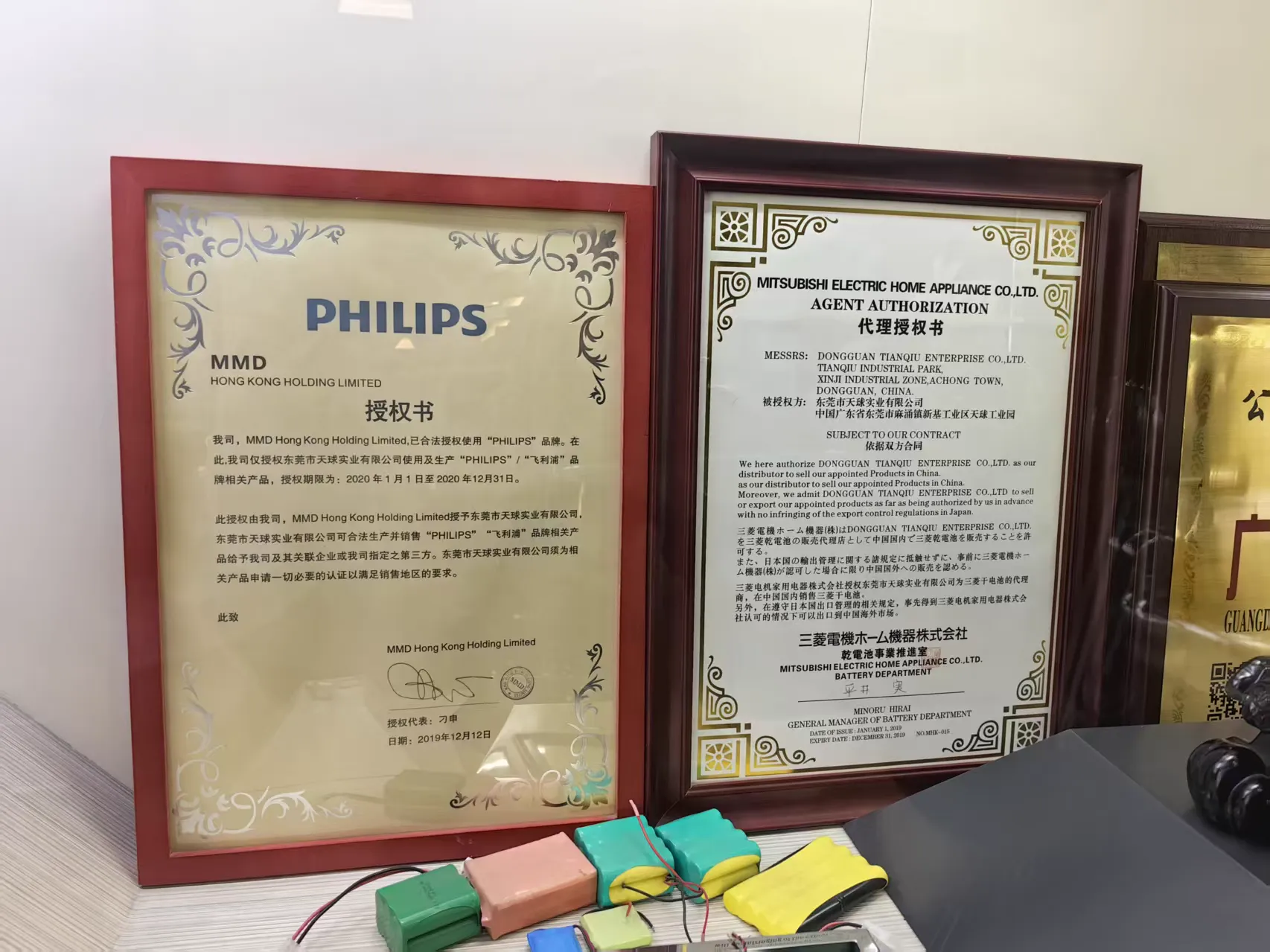
For importers, the regulation mostly lands as documents: declarations, restricted-substance reporting, transport certificates and labelling compliance. TIANQIU keeps this folder current for the EU market — our EU battery information files list the models, chemistry systems and downloadable documents covered by the EU programme.
Where to check the exact dates
Phase-in dates and derogations differ by article — labelling, capacity information and replaceability all have their own application dates. Please always confirm against the official EUR-Lex text and your compliance advisor; or simply ask our trade team and we will point you to the model-specific document you need.
Questions behind the article?
The trade team answers technical and commercial questions — send us your market and product interest.
Ask a question